

+3.0%
Sales
+3.6%
Profit
+2.0 pts
Inventory accuracy
Finance-validated by Wild Fork, measured against control stores over a nine-week pilot.
A nine-week pilot delivered finance-validated gains in sales, margin and inventory accuracy, and led to a multi-year contract and a rollout across all US stores, DC and HQ.
Finance-validated by Wild Fork, measured against control stores over a nine-week pilot.
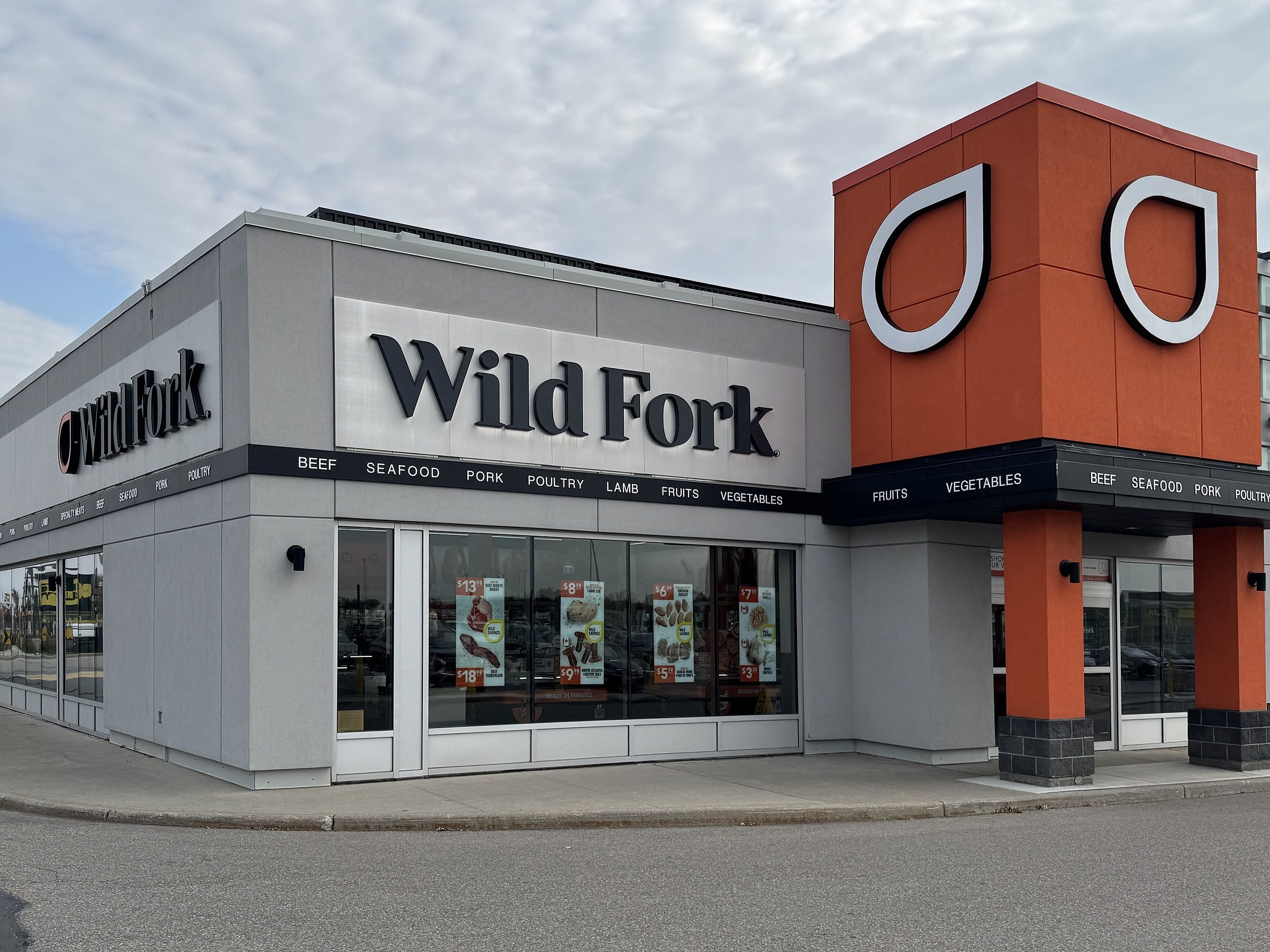
Wild Fork is a modern meat and seafood market on a mission to change the way people shop for and eat protein. It blast-freezes every product at peak freshness across more than 700 SKUs, from everyday staples to premium Wagyu and exotic proteins.
By controlling every step from farm to fork, Wild Fork delivers exceptional quality at accessible prices, while its fully frozen supply chain reduces food waste by as much as 50%. The result is one of the strongest NPS scores in retail.
As Wild Fork grew, so did the difficulty of executing consistently across stores, online, distribution, supply chain, merchandising and product teams, each running on its own systems.
Opportunities kept surfacing and slipping away in the gaps between systems and teams: a SKU starting to slow, a cost rising past a price, inventory building at a DC that won't sell through before it expires. Catching those moments while they still matter, and getting them to the right person, is the difference between protecting margin and writing it off.
Could an AI execution layer monitor the business, surface the most important opportunities across every function, and route the best actions to the right operator, in a way that shows up in sales, margin and inventory accuracy?
Sales of breaded chicken breast fillets dropped sharply at a high-volume store with zero weeks on hand, while the DC had stock readily available. Thri5 recommended a replenishment request and the store acted that day.
Sales recovered within days.
Cost movement had eroded the margin on a high-velocity SKU, and it wasn't visible in standard reporting. Thri5 flagged it and the pricing team responded immediately.
Profitability restored in days… not after a quarterly review.
Thri5 surfaced a SKU at the DC with roughly three years of stock against network sell-through, with the best-before date approaching. Demand planning redistributed it to the highest-velocity stores.
Working capital recovered and a write-off avoided.
An ML model prioritized which products each store should count each week, based on transaction velocity, adjustment history and data anomalies.
50% higher catch rate on catch-weight items, 13% on fixed-weight, versus control stores.
Thri5 turned data from across our business into prioritized action. The team adopted it faster than any platform we've rolled out, and that combination of speed, intelligence and ease-of-use is why we're scaling it across the business.
Wild Fork and Thri5 are building the next generation of the platform together: AI agents that act directly in source systems and automate routine work. For Wild Fork, it continues the thesis that made the pilot work: operationalizing AI, not just experimenting with it.
Meet with our retail and AI team to uncover execution gaps and quantify the opportunity for your business.